
If you are asking, “When is the best time to visit Sri Lanka?”, the most useful answer is not one single month. Sri Lanka is compact, but its weather changes sharply by coast, mountain area and travel goal.
For a first trip that combines Colombo, Galle, Sigiriya, Kandy and the tea country, January to March is usually the easiest all-round window. For the east coast, however, the best months shift to May to September.
This guide explains Sri Lanka’s monsoon pattern, the best season by region, the best timing for beaches, safaris, heritage sites, whale watching and Ayurveda, and how to build a private-driver itinerary that still works if the weather changes.
Sri Lanka weather basics: why the best season depends on the region
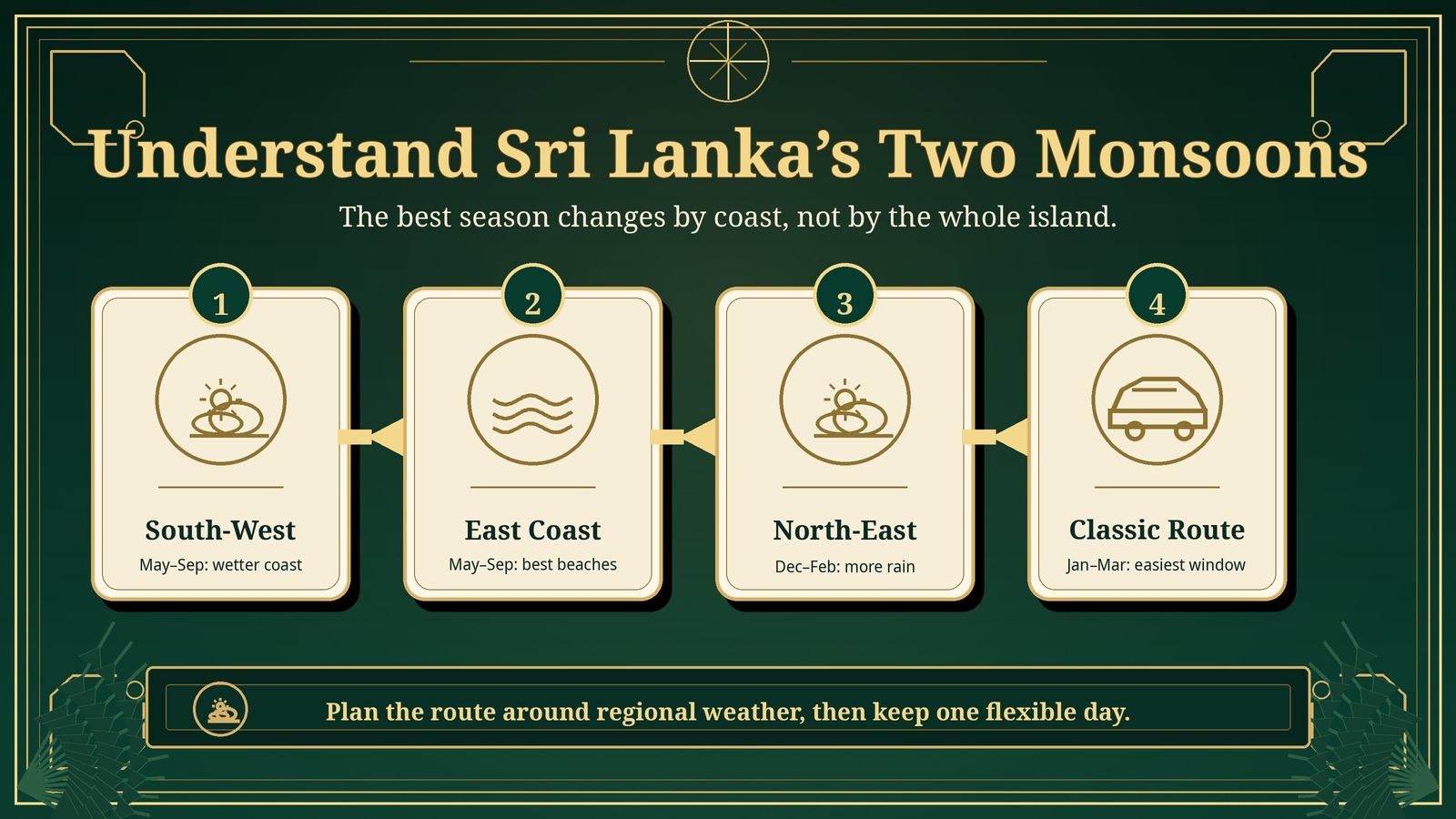
Sri Lanka has a tropical climate shaped by two main monsoon systems. The south-west monsoon usually affects the western, southern and central highland areas from around May to September, while the north-east monsoon affects the north and east from around December to February.[1] [2]
That is why a beach holiday in Galle and a beach holiday in Trincomalee should not be planned with the same calendar. One coast can be in its dry season while the other is more exposed to rain and rougher seas.
Best season by region in Sri Lanka
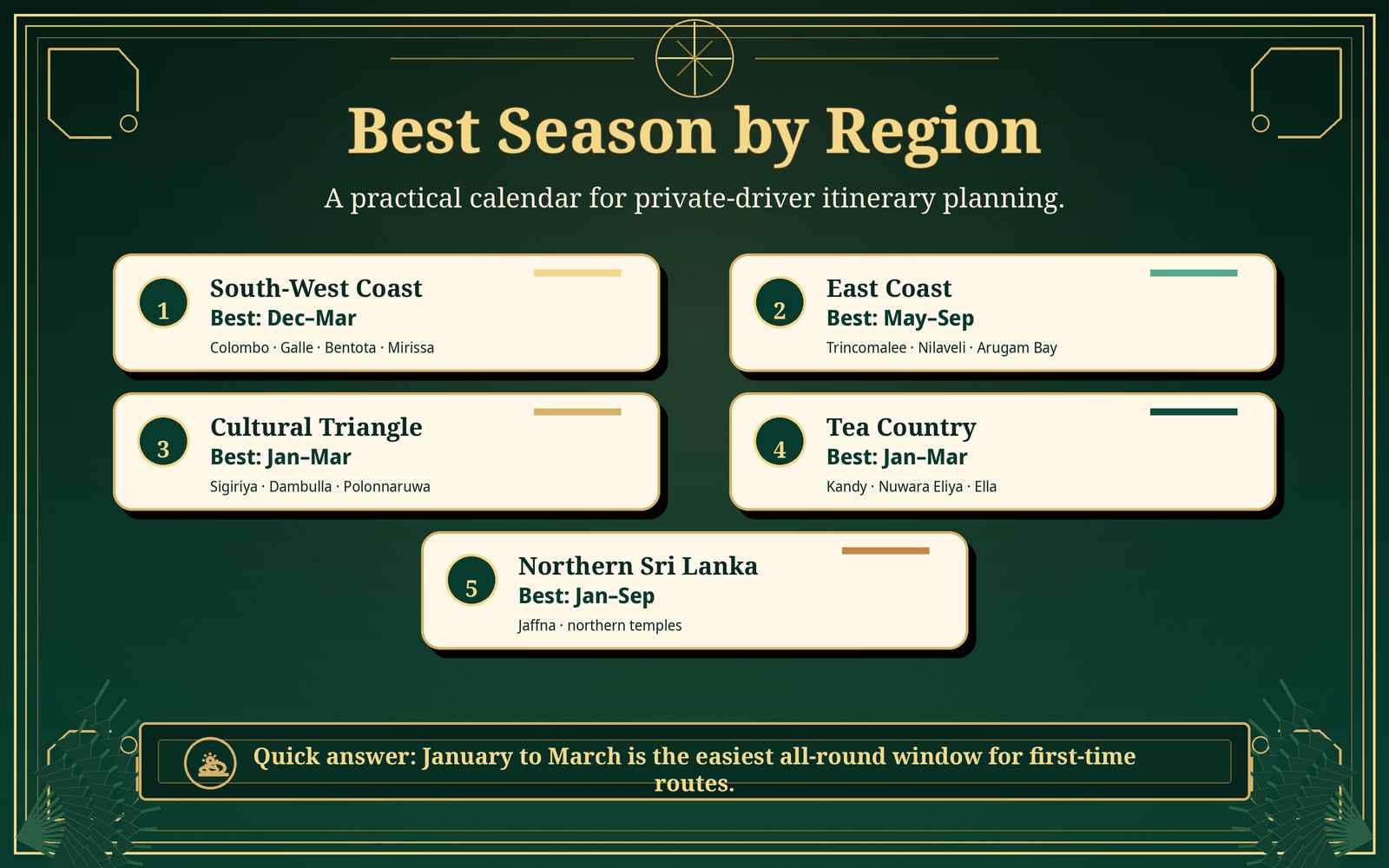
The table below gives a practical first filter. It is designed for itinerary planning rather than academic climate analysis, so it focuses on what travellers usually need to know: where the weather is easier, where rain is more likely, and when early booking matters.
| Region | Main places | Best season | Why it works | Planning note |
|---|---|---|---|---|
| South-west coast | Colombo, Galle, Bentota, Hikkaduwa, Mirissa | Late November to March | Dryer skies, calmer seas and better beach conditions are more likely during this period. | Christmas, New Year and January are busy. Book hotels and private transfers early. |
| East coast | Trincomalee, Nilaveli, Pigeon Island, Arugam Bay | May to September | This coast usually enjoys its clearer beach season while the south-west is more exposed to rain. | August can sell out quickly around Trincomalee and beach resorts. |
| Cultural Triangle | Sigiriya, Dambulla, Polonnaruwa, Anuradhapura | January to September, especially January to March | Many major heritage sites are inland, so the comfortable window is broader than the beaches. | April can be very hot for outdoor ruins and rock climbs. |
| Tea country | Kandy, Nuwara Eliya, Ella, tea plantations | January to March | Highland scenery is often clearer and more comfortable, especially for viewpoints and train journeys. | Bring a light jacket; mornings and evenings can feel cool in Nuwara Eliya and Ella. |
| North | Jaffna and northern temples | January to September | The north often has a long practical travel window, although heat can be intense. | Avoid overloading the schedule in April-style heat; use air-conditioned transfers. |
Scroll horizontally to see the full table →
South-west coast: Colombo, Galle, Bentota, Hikkaduwa and Mirissa
The south-west coast is the most popular entry point for classic Sri Lanka holidays. It includes Colombo, the UNESCO-listed old town of Galle, beach resorts such as Bentota and Hikkaduwa, and whale-watching departures from Mirissa.
Plan this area from late November to March if beaches, swimming, photography and relaxed hotel time are important. From May to September, rain is more likely, but it often arrives as short tropical showers rather than all-day rain.
East coast: Trincomalee, Nilaveli and Arugam Bay
The east coast is the best answer for travellers visiting Sri Lanka during the northern-hemisphere summer. Trincomalee, Nilaveli and Pigeon Island are attractive for clear water, snorkelling and relaxed beach stays, while Arugam Bay is famous among surfers.
If your travel dates fall between May and September, consider building the beach section around the east coast instead of forcing a south-west beach plan.
Cultural Triangle: Sigiriya, Dambulla, Polonnaruwa and Anuradhapura
The Cultural Triangle is one of the strongest reasons to visit Sri Lanka. Sigiriya Rock Fortress, Dambulla Cave Temple, Polonnaruwa and Anuradhapura can be combined into a heritage-focused route, especially if you are travelling with a private driver.
January to March is the easiest period, but many travellers also visit successfully from April to September. If you want to compare the country’s UNESCO sites before choosing a route, see our guide to Sri Lanka’s World Heritage Sites.
Tea country: Kandy, Nuwara Eliya, Ella and the scenic train route
The highlands around Kandy, Nuwara Eliya and Ella have a cooler mountain climate. Tea plantations, viewpoints and the famous railway scenery are especially enjoyable when visibility is good.
January to March is the most comfortable window for many first-time travellers. Pack layers, because the highlands can feel unexpectedly cool after the coast.
Best time to visit Sri Lanka by travel goal
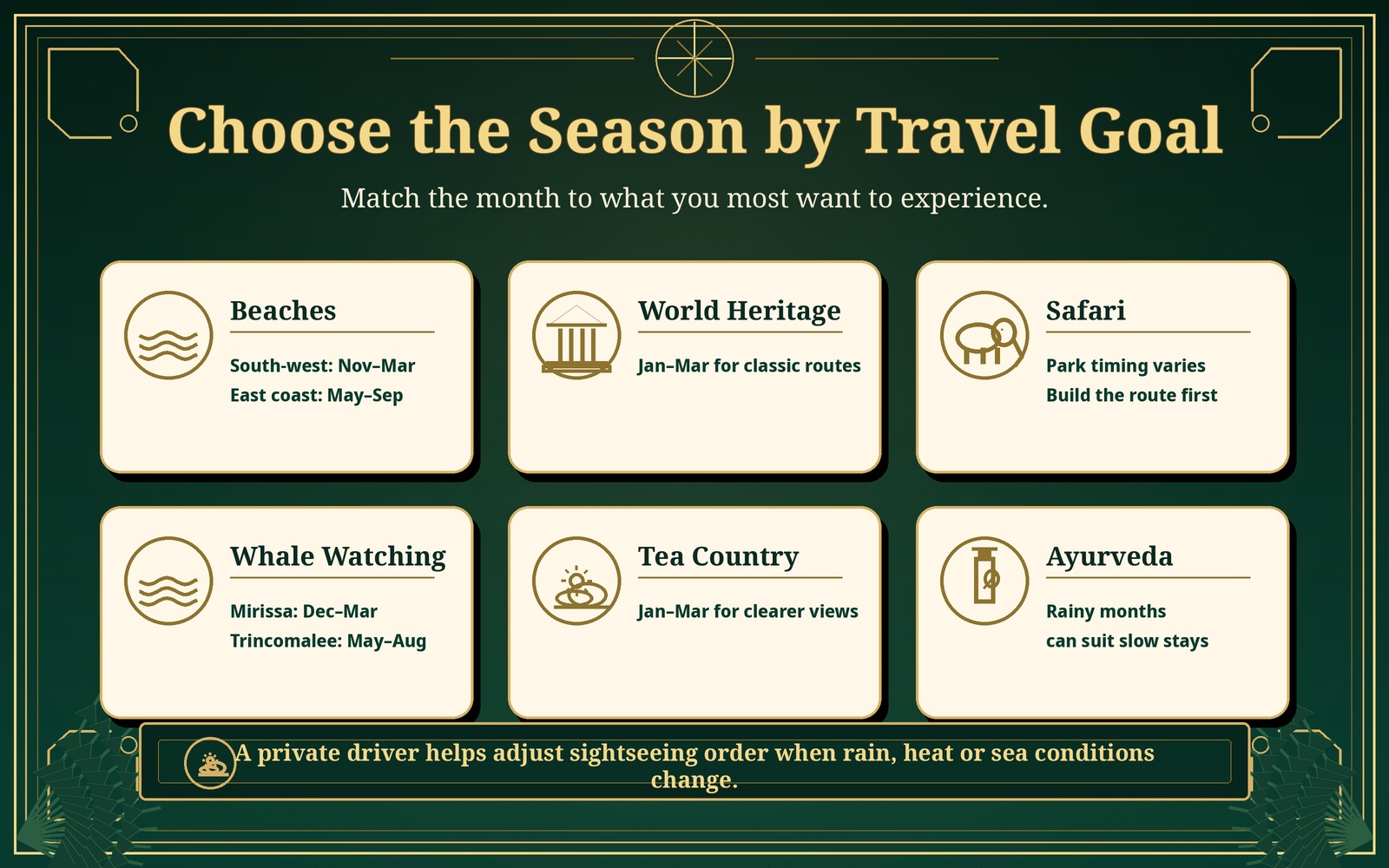
Your travel goal can matter as much as the region. A beach trip, a safari route, a heritage circuit and an Ayurveda retreat each have a different “best” season.
| Travel goal | Best timing | Recommended places | Why this timing helps | Private-driver planning tip |
|---|---|---|---|---|
| World Heritage route | January to March | Sigiriya, Dambulla, Kandy, Galle, Polonnaruwa | The south-west, central and many inland highlights are easier to combine. | Start early for outdoor sites, then use the hottest hours for transfers or hotel breaks. |
| Safari and wildlife | Depends on park; many routes work from January to September | Yala, Udawalawe, Minneriya | Dry periods can bring animals closer to water sources, while elephant gathering periods vary by park. | LankaMe can help coordinate the driver route and local jeep arrangements where needed. |
| Beach and marine sports | South-west: November to March; East: May to September | Galle, Mirissa, Bentota, Trincomalee, Arugam Bay | Sea conditions and water clarity are generally better in each coast’s dry season. | Choose the coast according to your dates instead of treating all beaches as one season. |
| Whale watching | Mirissa: December to March; Trincomalee: May to August | Mirissa, Trincomalee | Departure coast changes with the season and sea conditions. | Keep one flexible morning in the itinerary because boat departures are weather-dependent. |
| Ayurveda retreat | Rainy season for treatment focus; dry season for sightseeing mix | West coast retreats, inland wellness resorts | Rainy periods can suit slow wellness stays, while dry months are easier for combined touring. | Decide whether the trip is treatment-first or sightseeing-first before choosing the base. |
Scroll horizontally to see the full table →
Safari and wildlife viewing
Safari timing depends on the national park. Yala is popular for leopard-focused safaris, Udawalawe is reliable for elephants, and Minneriya is famous for large elephant gatherings in the right season.
If safari is a priority, do not add it as an afterthought. Build the route around the park, the season and the time of day. For more planning detail, see our Sri Lanka safari guide.
World Heritage sites and classic sightseeing
January to March is the most convenient period for a classic route that includes Sigiriya, Dambulla, Kandy, Galle and the tea country. It offers a good balance between heritage sightseeing, beach time and scenic driving.
However, a well-designed itinerary can still work outside these months. The key is to match the route to the season rather than copying a generic tour plan.
Beaches, surfing, snorkelling and diving
For south-west beaches such as Galle, Bentota, Hikkaduwa and Mirissa, choose roughly November to March. For east-coast beaches such as Trincomalee and Arugam Bay, choose roughly May to September.
This simple coast-switching rule prevents many disappointing beach plans. It is especially useful for families, honeymooners and travellers who want calmer sea conditions.
Ayurveda and wellness stays
If the main purpose is deep Ayurveda treatment, a rainy-season stay can be attractive because the trip naturally becomes slower and more treatment-focused. If you want Ayurveda plus sightseeing, the drier months are easier.
For travellers comparing treatment styles, route ideas and expectations, our Sri Lanka Ayurveda guide is a useful companion article.
Month-by-month Sri Lanka season planner
The following monthly table is a quick planning reference. Weather is never guaranteed, but it helps you choose a route that has a better chance of matching your priorities.
| Month | South-west coast | East coast | Cultural Triangle | Tea country | Best use of the month |
|---|---|---|---|---|---|
| January | Best | Rain possible | Best | Best | Excellent for a first Sri Lanka route with Galle, Sigiriya and tea country. |
| February | Best | Rain possible | Best | Best | One of the easiest months for classic sightseeing and comfortable driving. |
| March | Best | Rain possible | Best | Best | A strong all-round month before April heat becomes more noticeable. |
| April | Good | Rain possible | Good but hot | Good | Possible for touring, but plan around heat and New Year closures. |
| May | Rain possible | Best | Good | Rain possible | Start considering an east-coast beach route. |
| June | Rain possible | Best | Good | Rain possible | Good for Trincomalee, Arugam Bay and lower hotel pressure in some areas. |
| July | Rain possible | Best | Good | Rain possible | Strong for east-coast beaches and selected wildlife routes. |
| August | Rain possible | Best | Good | Rain possible | Popular summer-holiday month; book east-coast hotels early. |
| September | Rain possible | Best | Good | Rain possible | Late east-coast season with fewer crowds than peak August in some places. |
| October | Needs planning | Rain possible | Rain possible | Rain possible | Transitional weather; keep the schedule flexible. |
| November | Good | Rain possible | Rain possible | Rain possible | Late transition toward the south-west high season. |
| December | Best | Rain possible | Good | Good | High demand around Christmas and New Year; early booking is important. |
Scroll horizontally to see the full table →
Are there months to avoid?
Sri Lanka can be visited year-round, but October and November require extra flexibility because they are transitional months between monsoon patterns. Short heavy showers, thunderstorms or localised flooding are more likely during unstable periods.
April also needs care because heat can be intense, especially around inland heritage sites. Sinhala and Tamil New Year around mid-April can affect local opening hours and domestic travel patterns, so travellers should avoid over-tight schedules.
Off-season travel can still be smart
Travelling in the rainy season does not automatically mean a bad trip. In many areas, rain falls as heavy showers and then clears. Hotels can be better value, popular sites may feel quieter, and the landscape can look lush and photogenic.
The off-season works best when your itinerary is realistic. Avoid long outdoor blocks with no shelter, keep some transfer time flexible, and choose hotels or experiences that remain enjoyable if the weather turns for a few hours.
What to pack for Sri Lanka by season
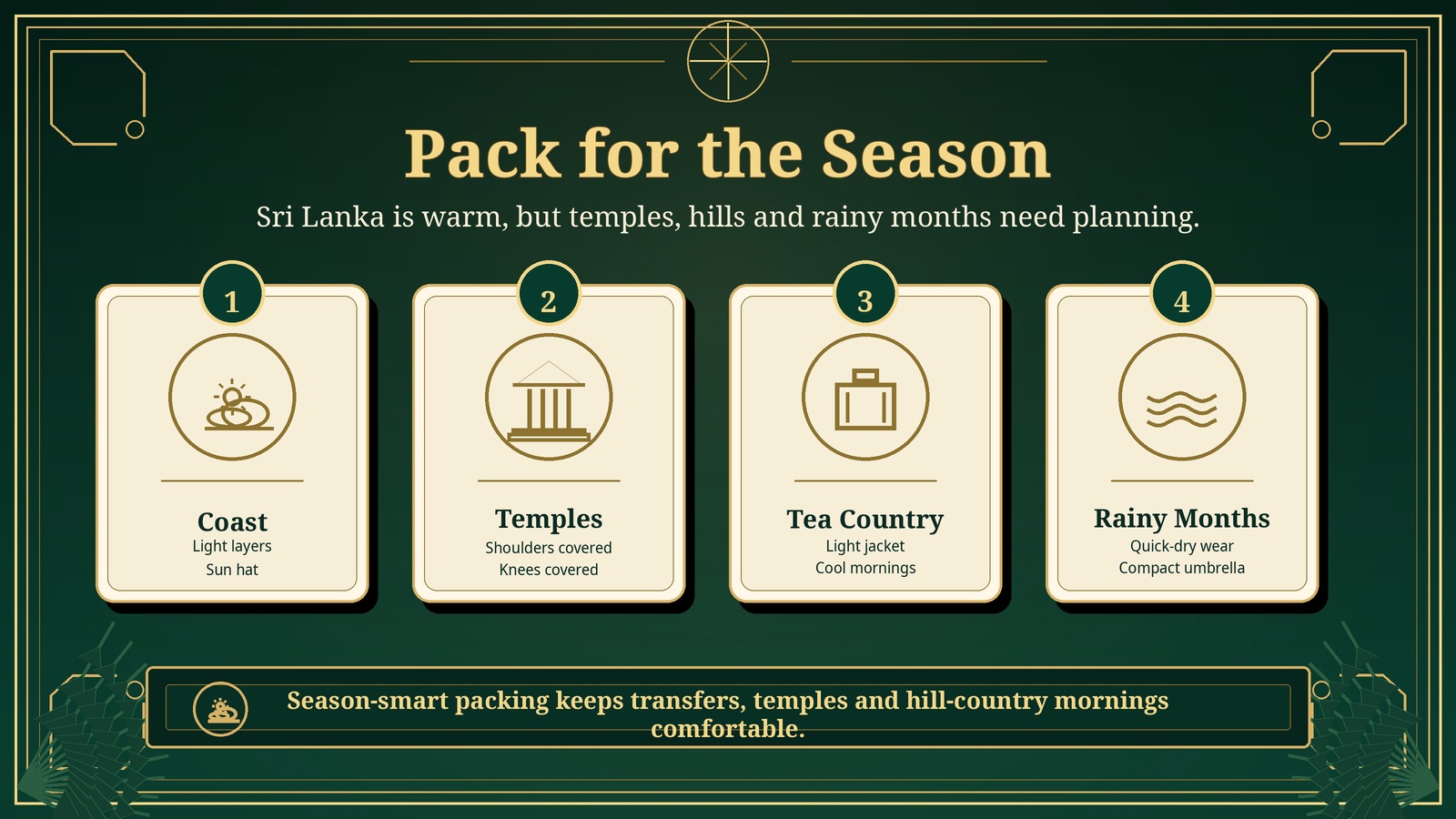
For coastal and lowland areas, breathable summer clothing is usually enough. For temples, bring clothing that covers shoulders and knees. A light scarf or long-sleeved shirt is useful because temple dress rules apply even in hot weather.
For Nuwara Eliya, Ella and early-morning highland transfers, pack a light jacket or cardigan. In rainy months, quick-drying clothes, sandals that handle wet ground, a compact umbrella and a light rain jacket are practical.
How to choose the right route for your dates
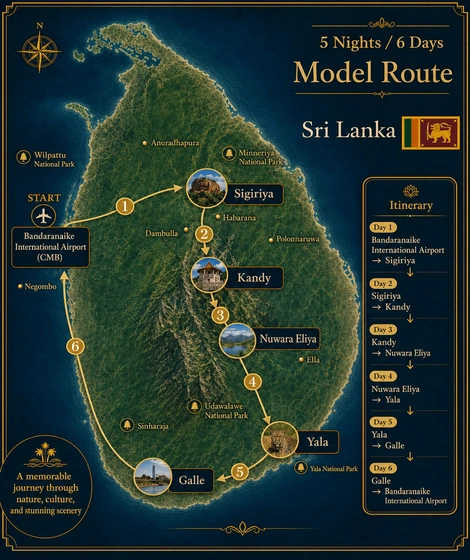
The best Sri Lanka itinerary starts with your fixed dates, then chooses the coast, heritage sites and rest days accordingly. If you are travelling for five or six nights, do not try to cross the whole island just to chase perfect weather.
A private car and driver can make seasonal planning much easier. You can start sightseeing early, move during the hottest or wettest hours, and adjust the day’s order without being locked into complicated public-transport connections. If you are comparing vehicle sizes, see LankaMe’s car type guide. If you want a higher-support trip with sightseeing assistance, compare the LankaMe plan options.
Summary: the best time to visit Sri Lanka
For most first-time travellers, January to March is the simplest answer because it works well for the south-west coast, the Cultural Triangle and the tea country. For summer travel, May to September is excellent if you focus beach time on the east coast.
The most important rule is to match your route to your season. Sri Lanka is not a country where one weather label applies everywhere at once, and that is exactly why it can offer rewarding travel experiences throughout the year.
Plan a Sri Lanka route that fits your season
If you already have travel dates, LankaMe can help you choose the right coast, heritage route, safari stop and transfer plan. We arrange private-driver itineraries with government-licensed tourist drivers and route advice before your trip, so you can travel efficiently even when the season varies by region.
References
[1] Department of Meteorology Sri Lanka. Climate and weather information for Sri Lanka.
[2] Climates to Travel: Sri Lanka climate. Overview of Sri Lanka’s climate and monsoon periods.
[3] UNESCO World Heritage Centre: Sri Lanka. List of World Heritage properties in Sri Lanka.




コメント