
For most European and English-speaking travellers, Sri Lanka is not a destination to avoid. It is a destination to approach with the same practical awareness you would use in many long-haul holiday countries: choose transport carefully, avoid unnecessary night-time exposure, keep valuables close, and plan your route instead of improvising every transfer.
The important point is balance. Official travel advisories do not describe Sri Lanka as risk-free, and no responsible travel company should do so. The UK Foreign, Commonwealth & Development Office states that no travel can be guaranteed safe and advises travellers to read the relevant safety guidance and arrange appropriate insurance before departure.[1] The Government of Canada currently advises travellers to exercise a high degree of caution because of demonstrations, terrorism risks and crime.[2] The U.S. Department of State classifies Sri Lanka as Level 2, meaning travellers should exercise increased caution.[3]
At the same time, many visitors enjoy Sri Lanka comfortably every year when they use ordinary precautions and avoid predictable risk situations. This guide rewrites the safety discussion for European travellers, with particular attention to women, senior travellers, couples and families who want comfort, predictability and local support during a private itinerary.
The short answer: Sri Lanka is enjoyable, but independent movement needs planning
Sri Lanka feels welcoming in many tourist areas. English is widely used in hotels, major attractions and tourist transport, and local people are often warm and helpful. The biggest practical risks for visitors are usually not violent crime, but **transport stress, opportunistic theft, overcharging, uncomfortable public transport, drink spiking risks, harassment in certain settings, and sudden disruption caused by demonstrations or weather**.
That is why the right question is not simply “Is Sri Lanka safe?” A better question is: **Which style of travel makes Sri Lanka safe and comfortable for my age, group size, travel confidence and itinerary?** A backpacker who is happy to negotiate tuk-tuks, wait for buses and change plans quickly will make different choices from a retired couple, a mother travelling with children, or two women visiting Sri Lanka for the first time.
Main safety issues European travellers should understand before arrival
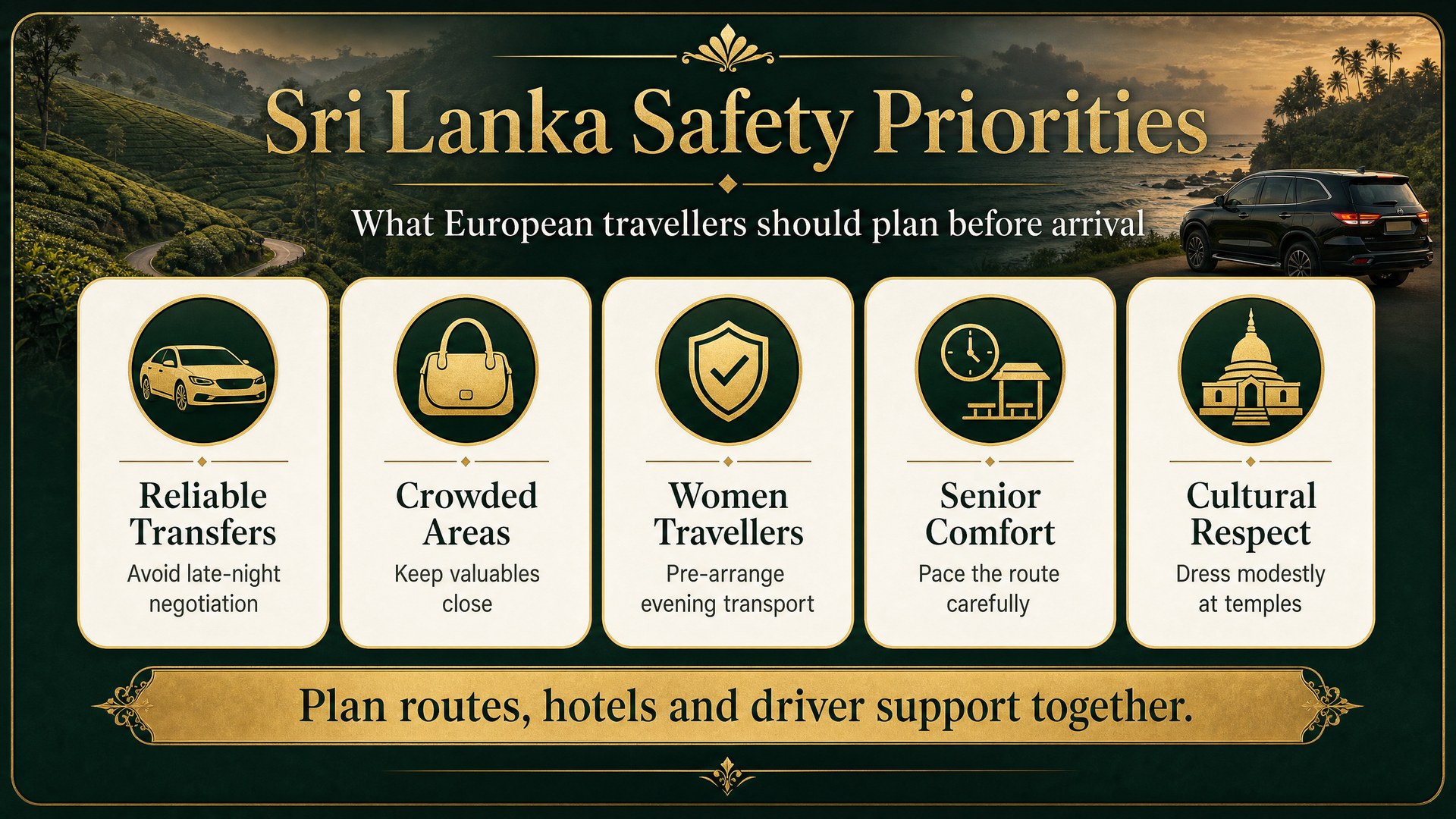
Official advisories from the UK, Canada and the United States repeatedly mention demonstrations, terrorism awareness, petty crime, road safety and transport precautions.[1] [2] [3] These warnings should not create panic, but they do explain why route planning and reliable local support can significantly improve the trip.
| Risk area | What it usually means for travellers | Practical prevention | When a private driver helps |
|---|---|---|---|
| Petty theft and bag snatching | Pickpocketing, hotel-room theft or bag snatching can occur, especially in crowded areas and on public transport. | Carry less cash, use a cross-body bag, keep bags away from the road side, and use hotel safes where appropriate. | Your luggage stays with a known driver and vehicle rather than moving through crowded terminals repeatedly. |
| Tuk-tuk or taxi overcharging | Some drivers may avoid meters, add unexpected charges, or steer travellers to shops and tours that pay commissions. | Use reputable apps where available, agree the price before departure, and avoid unsolicited “special tour” offers. | The route and price are arranged in advance, reducing daily negotiation and pressure. |
| Road safety | Driving standards, road conditions and night driving can feel stressful for visitors used to European traffic rules. | Avoid self-driving unless highly confident, do not ride motorbikes casually, and allow realistic travel times. | An experienced local driver manages traffic, parking, checkpoints and route timing. |
| Demonstrations and disruption | Political gatherings can appear at short notice and may disrupt roads or public transport. | Avoid protests, monitor news, and follow local authorities. | A local driver can adjust routes and avoid affected streets more quickly. |
| Drink spiking and night-time risk | Advisories mention drink spiking and harassment risks, particularly for women travellers in nightlife or isolated situations. | Keep drinks in sight, avoid isolated night travel, and return to the hotel with trusted transport. | Pre-arranged evening transfers remove the need to negotiate late-night rides. |
Scroll horizontally to see the full table →
Women travellers: Sri Lanka can be rewarding, but transport choices matter
Women do travel safely and happily around Sri Lanka, including solo travellers and small groups of friends. However, the experience becomes much easier when you remove the most uncomfortable situations: negotiating transport late at night, waiting alone at remote stations, relying on crowded buses, or accepting help from strangers whose intentions are unclear.
The UK FCDO notes reports of verbal and physical harassment ranging from comments to physical advances and sexual assault, particularly in crowded areas such as markets, bus and railway stations, buses, sporting events and tourist sites.[1] Canada’s advice similarly notes that women can receive unwanted attention and should exercise caution when travelling alone.[2] This does not mean women should not visit Sri Lanka. It means the trip should be designed intelligently.
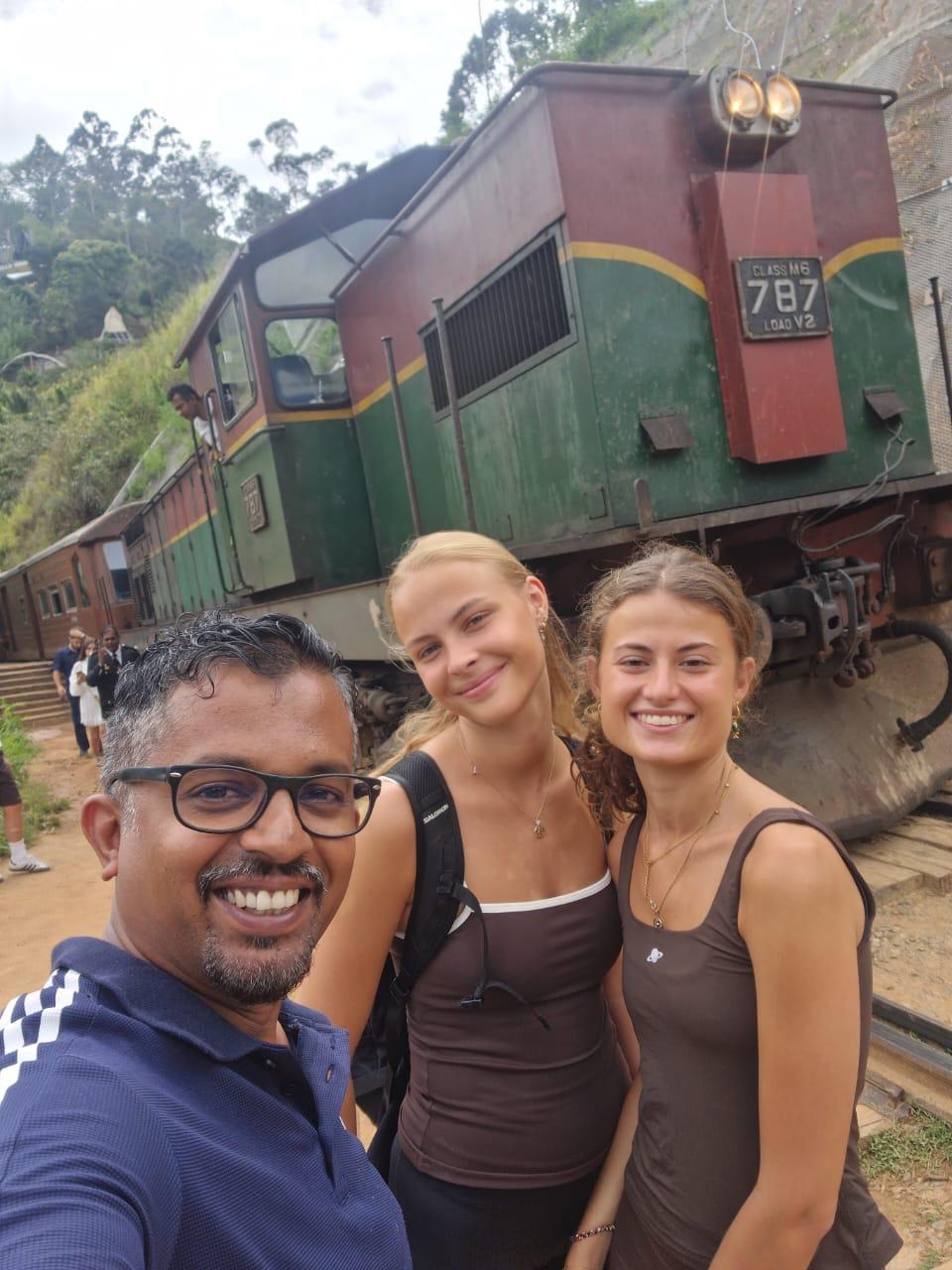
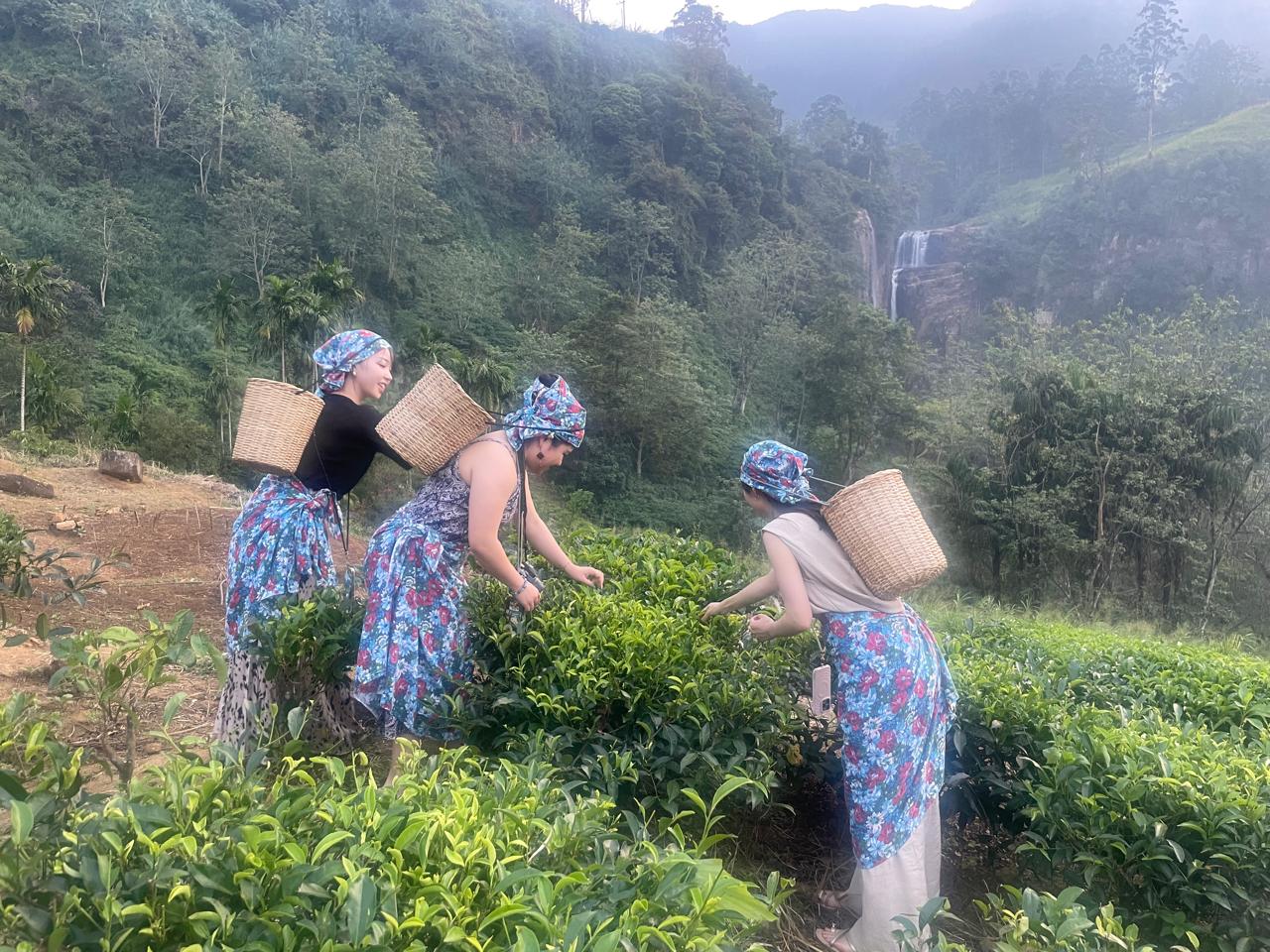
For two women, a mother and daughter, or a solo traveller who prefers support, a Sri Lanka private tour with a driver can make the difference between constantly assessing each transfer and simply enjoying the journey. It also helps when combining scenic places such as the Tea Train route, Sigiriya, Kandy, Ella, Galle and beach towns without dragging luggage through multiple transport changes.
Senior travellers: comfort and predictability are part of safety
For senior travellers, safety is often less about crime and more about avoiding fatigue, heat stress, steep walking at the wrong time of day, long waits, rough vehicle transfers and unclear arrangements. Sri Lanka’s major sights are highly rewarding, but the distances between them are longer than they may look on a map.
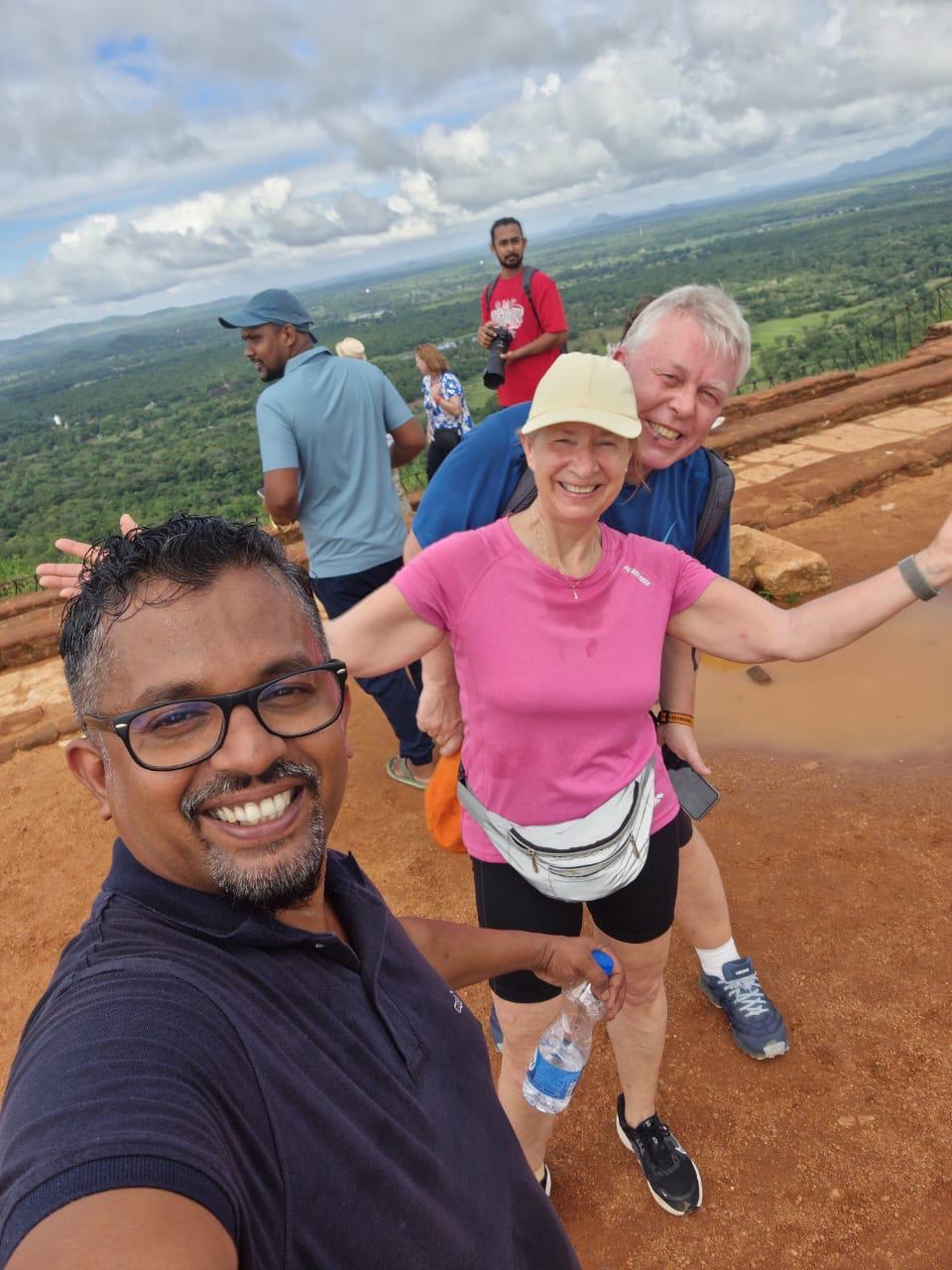
A carefully planned private route allows older travellers to start earlier, avoid the hottest hours, stop for clean toilets and cafés, and return to the hotel before dark when appropriate. If your trip includes Sigiriya, Dambulla, Kandy or Galle, it is worth checking entrance fees and opening hours before designing the route.
Why public transport may not be the best choice for every traveller
Trains and buses are part of Sri Lanka’s character, and the famous hill-country train can be a wonderful experience when planned well. However, public transport is not always the best safety choice for every itinerary. Government advice specifically warns about theft and harassment risks on public buses and trains, and the UK FCDO has highlighted fatal accidents involving visitors leaning out of train doors or windows.[1] [3]
This does not mean you must avoid the train. A balanced itinerary can combine the scenic section of the railway with private vehicle support before and after the ride, so you enjoy the memorable part without relying on public transport for the entire trip.
Private driver travel: not only convenience, but risk management
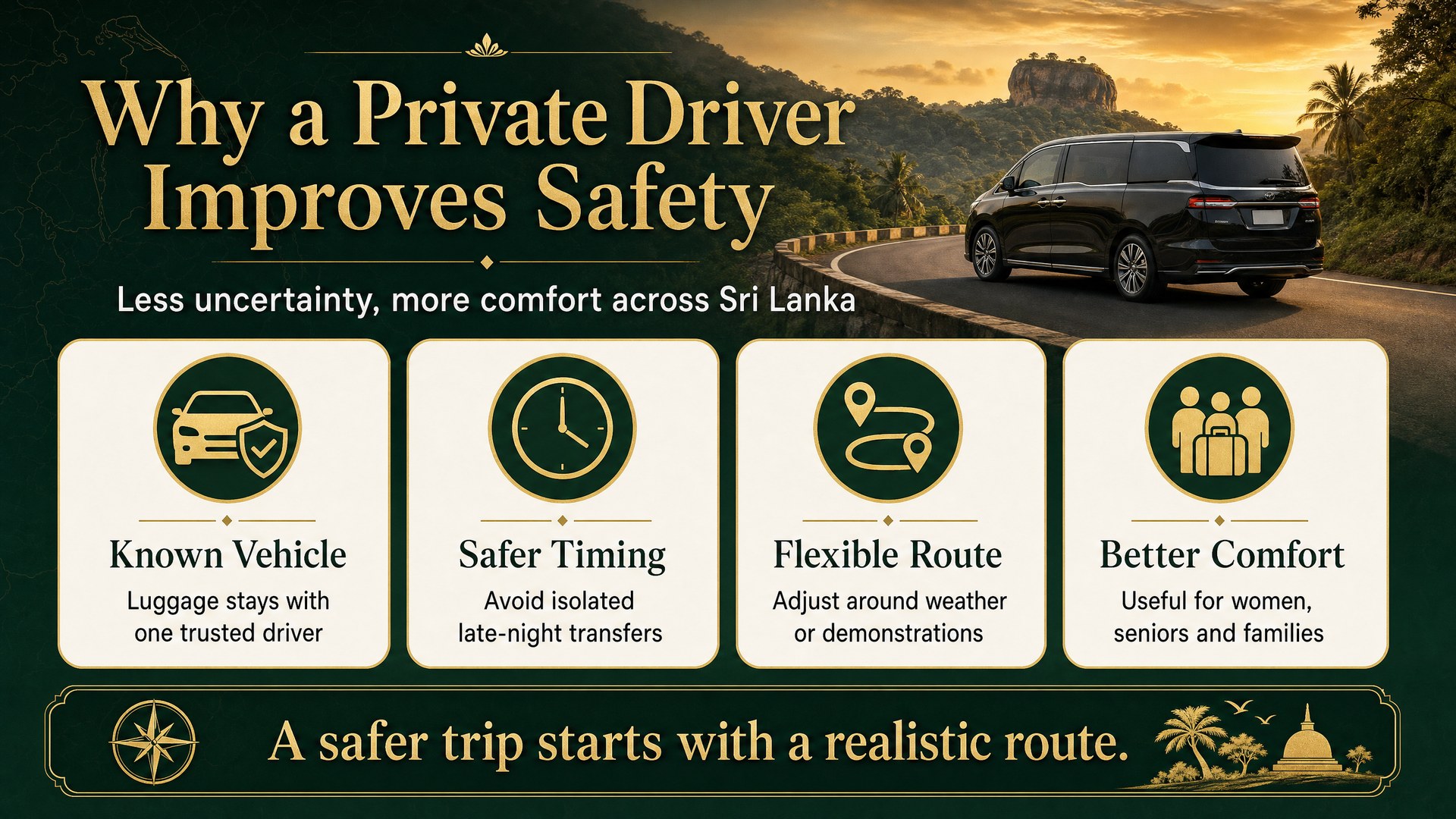
For European travellers, a private driver should not be seen only as a luxury. In Sri Lanka, it can also be a practical safety tool. It reduces exposure to overcharging, crowded terminals, poor night-time transport choices and confusing transfers between inland sights, beaches and national parks.
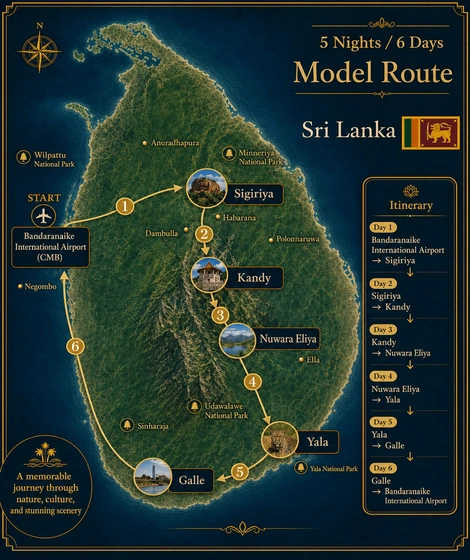
This is especially relevant if you are planning a route that includes multiple regions. A first-time itinerary of five to seven days may focus on the Cultural Triangle, Kandy and the south-west or hill country. Longer routes can include beach stays, national park safaris and Ayurveda wellness stops. For planning examples, compare our 5 to 7 day Sri Lanka itinerary and 10 day to 2 week Sri Lanka itinerary.
Practical safety checklist before and during your Sri Lanka trip
The following checklist is designed for European travellers who want a comfortable, well-controlled holiday rather than a highly improvised backpacking trip.
| Timing | What to prepare | Why it matters | Recommended action |
|---|---|---|---|
| Before booking | Travel insurance, advisory updates and route feasibility | Insurance should cover your itinerary, activities and emergency expenses. | Check your national advisory, buy appropriate insurance and avoid overloading the route. |
| Before arrival | Airport pickup and first-night hotel | The first transfer is where tired travellers are most vulnerable to poor decisions. | Arrange a known pickup and avoid negotiating transport after a long flight. |
| During city visits | Cash, cards, phone and passport handling | Petty theft and card fraud are more likely than serious violence. | Use ATMs inside banks or hotels where possible, carry a passport copy, and keep valuables discreet. |
| During temple visits | Dress code and photography etiquette | Disrespecting religious images can cause serious trouble, and temples require modest dress. | Cover shoulders and knees, remove shoes and hats, and avoid inappropriate photos with Buddha images. |
| At night | Return transport and alcohol awareness | Night-time isolation and unattended drinks increase avoidable risk. | Use pre-arranged transport, keep drinks in sight, and avoid walking alone in poorly lit areas. |
Scroll horizontally to see the full table →
Cultural awareness also improves safety
Sri Lanka is a religious and culturally conservative country in many contexts. At Buddhist temples, visitors should cover shoulders and knees, remove shoes and hats, and treat Buddha images respectfully. The UK FCDO warns that disrespecting Buddhist images or artefacts, or making offensive remarks about religion, can lead to arrest.[1]
For women and senior travellers, modest clothing can also make sightseeing more comfortable. Light linen trousers, long skirts, breathable shirts and a scarf for temple visits are usually more practical than very revealing clothing. This is not about fear; it is about reducing unwanted attention and fitting smoothly into local expectations.
Who should strongly consider a private driver in Sri Lanka?
A private driver is not necessary for every traveller, but it is highly recommended if comfort, security and efficient routing matter more than the lowest possible cost.
| Traveller type | Main concern | Recommended approach | Useful internal guide |
|---|---|---|---|
| Women travelling alone or in pairs | Harassment, night transfers and unfamiliar drivers | Use trusted accommodation and pre-arranged transport, especially after dark. | Private tours for independent travellers |
| Senior couples | Heat, fatigue, long transfers and unclear logistics | Plan fewer hotel changes, earlier starts and reliable rest stops. | Vehicle types available with LankaMe |
| Families | Child comfort, luggage and unpredictable public transport | Use a suitable van or sedan depending on group size and luggage. | Sri Lanka family holiday guide |
| First-time European visitors | Route confusion, scams and over-ambitious schedules | Choose a realistic itinerary and confirm major transfers before arrival. | LankaMe plan details |
| Travellers combining train, safari and beaches | Complex transfers across different regions | Use a driver for station access, luggage support and onward travel. | Tea Train guide |
Scroll horizontally to see the full table →
Plan a safer and smoother Sri Lanka route with LankaMe
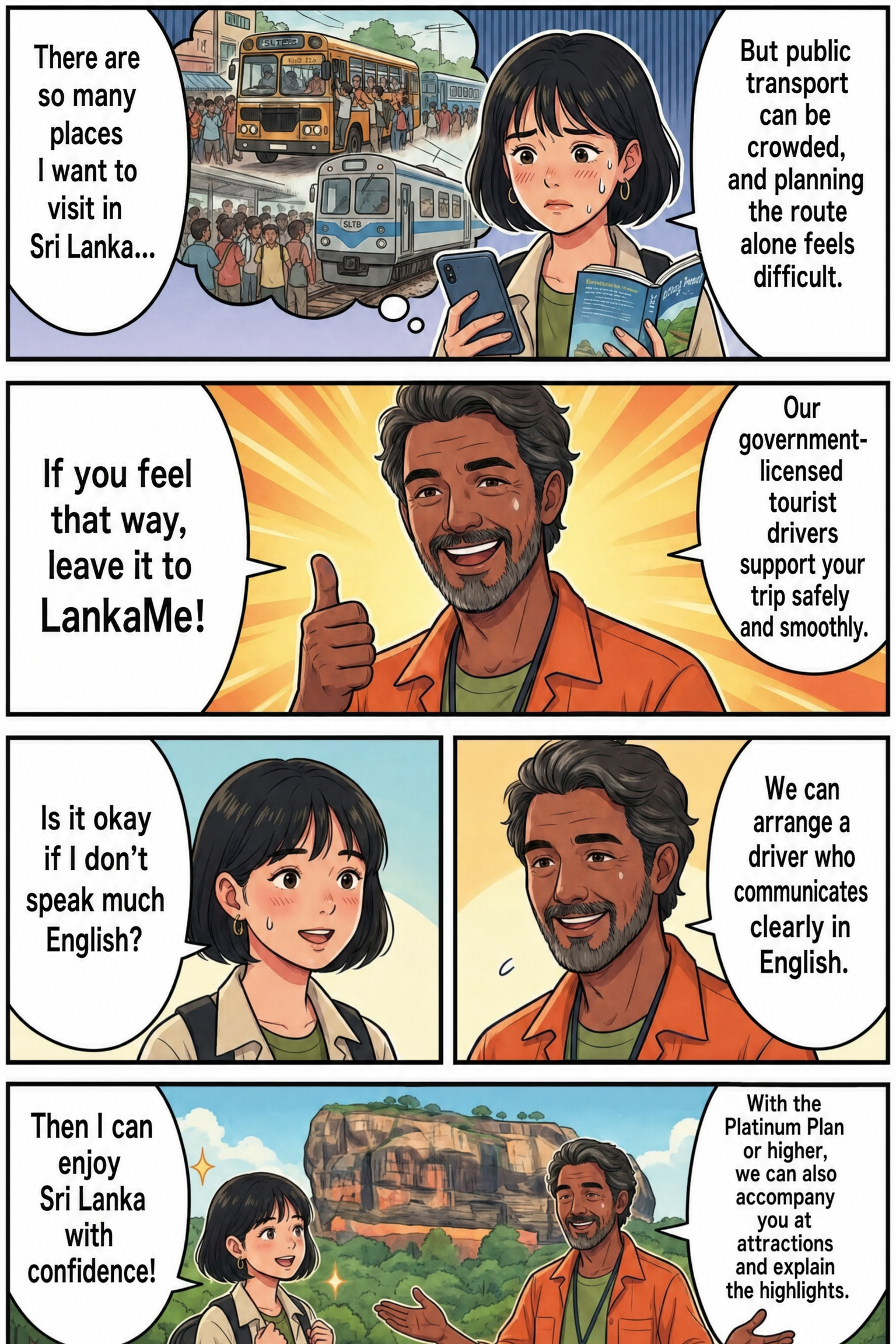
If you are visiting Sri Lanka from Europe and want a calm, efficient and comfortable journey, LankaMe can arrange a private car with a trusted local driver. We help you design realistic day-by-day routes, airport transfers, sightseeing order and vehicle type according to your group, luggage and pace.
This is particularly useful for women travellers, senior travellers, couples and families who want the freedom of a private itinerary without the stress of negotiating every ride locally.
Contact LankaMe for a private driver quoteConclusion: Sri Lanka is worth visiting when the trip is designed intelligently
Sri Lanka can be a beautiful and memorable destination for European travellers. The island offers ancient cities, tea country, wildlife, beaches, Ayurveda and warm hospitality within a compact country, but the compact map can be misleading because transfers still take time and local transport conditions vary.
If you prepare properly, avoid demonstrations and isolated night-time situations, use sensible money and card precautions, respect cultural rules, and choose reliable transport, Sri Lanka becomes much easier to enjoy. For many visitors, especially women, senior travellers and families, a private driver is the simplest way to turn safety planning into a comfortable holiday structure.
References
[1] UK Foreign, Commonwealth & Development Office: Sri Lanka safety and security travel advice


コメント